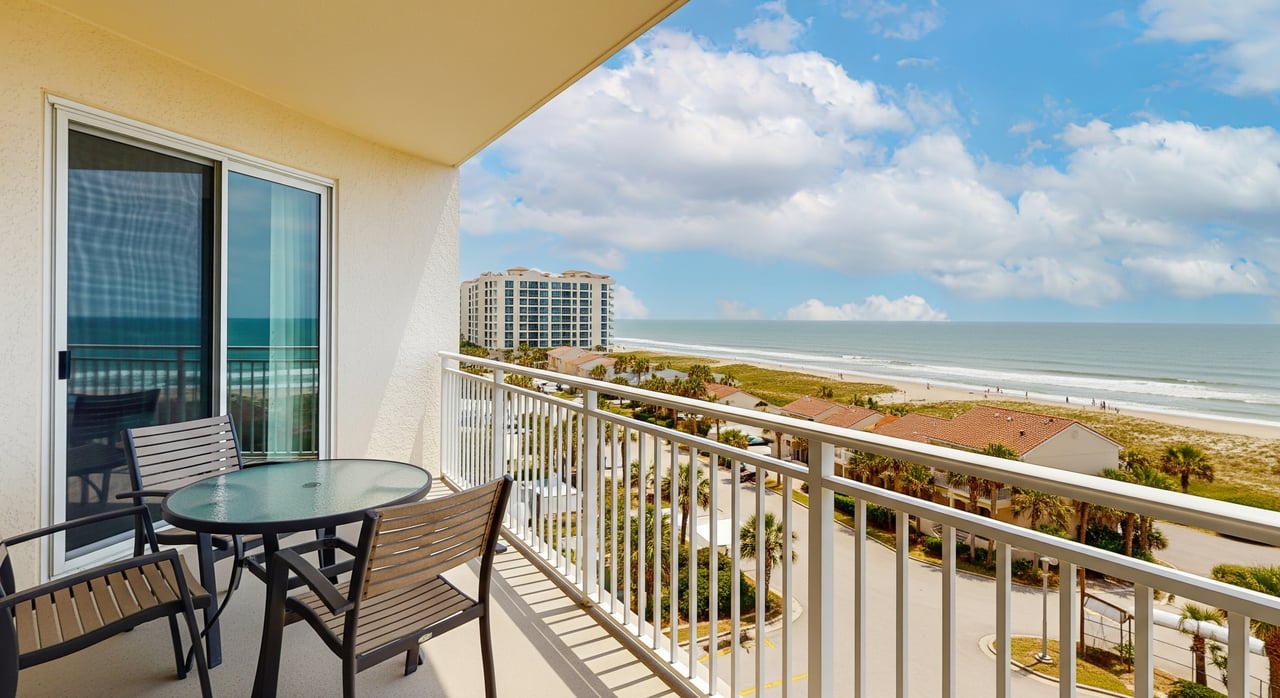
You want to live by Destin’s sugar‑white beaches, but you are torn between a condo and a house. It is a big decision with real costs, lifestyle tradeoffs, and rental rules to consider. In this guide, you will learn how condos, townhomes, and single‑family homes compare in Destin, what to expect with insurance and HOAs, and how to choose based on your goals. Let’s dive in.
Destin factors that matter
Destin sits on the Emerald Coast with beachfront, harbor, and bayfront areas next to inland neighborhoods. Proximity to the water shapes your insurance needs, maintenance, and day‑to‑day living. Seasonal tourism also affects traffic, parking, and rental demand.
Neighborhoods vary. Beachfront and resort areas often have more condos and robust amenities. Inland and gated communities skew toward single‑family homes and townhomes with different HOA structures. Your choice should reflect how you plan to use the property and how much upkeep you want.
Condos in Destin pros
Why condos work
- Lower daily maintenance since the association handles exteriors, common systems, and grounds.
- Resort‑style amenities like pools, elevators, security, and beachfront access are common.
- Turnkey appeal for vacation use and strong seasonal rental demand in near‑beach buildings.
- Often a lower entry price compared with detached beachfront homes, though prices vary widely.
What to watch with condos
- HOA fees can be significant in beachfront buildings because they often include building insurance, reserves, amenities, and some utilities. These fees affect your monthly carrying costs.
- Insurance is split between your HO‑6 policy for interiors and the association’s master policy for the structure. Coverage scope can vary, so confirm what each policy covers.
- Flood and wind exposure drive risk and cost. Low‑elevation or beachfront complexes may see higher premiums and stricter coverage terms.
- Special assessments can occur if reserves are not sufficient after a major storm or large repair.
- Rental rules differ by building. Some allow short‑term rentals with minimum stay requirements, while others restrict or prohibit them.
- Less privacy and potential for parking or elevator congestion during peak season.
Destin condo notes
Beachfront and holiday‑oriented complexes are a core part of the local market. Building age, construction type, maintenance history, and reserve health matter. Some complexes offer on‑site rental programs that simplify operations, though revenue shares and fees vary.
Single‑family homes pros
Why houses fit
- More privacy, space, and control over upgrades and outdoor areas.
- Flexible use, including renting, subject to local rules and any HOA guidelines.
- Often steadier resale demand in stable neighborhoods that attract owner‑occupants.
What to watch with houses
- You handle all maintenance: roof, exterior, yard, and any seawalls or private access paths.
- Insurance is fully your responsibility. You will likely need a homeowner policy, wind coverage, and flood insurance if the property is in a higher‑risk zone.
- Coastal homes may be elevated on pilings to reduce flood risk. Elevation helps premiums but can add to construction and upkeep costs.
- Some subdivisions still have HOAs that set community standards and fees, but the structure differs from condo associations.
Destin house notes
Shoreline properties bring unique considerations like dune protection and erosion. Verify elevation, flood zone, and any shoreline or dock permits. Private beach or bay access may also come with maintenance duties.
Townhomes in Destin
Townhomes offer a middle path. You often get a private entrance, garage, and more space than a condo with less maintenance than a house. HOA fees still apply, but what they cover varies by community.
- Confirm whether the HOA covers roof and exterior components or if that is your responsibility.
- Townhomes closer to the beach may attract vacation renters, while inland communities often suit long‑term use.
- Insurance responsibilities depend on the governing documents, so review them closely.
Insurance and flood basics
Policy types by property
- Condos: You typically carry an HO‑6 policy for interior finishes, personal property, and liability. The association’s master policy covers the structure and common elements. Clarify whether the master policy is all‑in or bare‑walls to avoid gaps.
- Townhomes: Coverage can be split between your policy and the HOA’s policy depending on the documents. Do not assume the roof or exterior is covered.
- Houses: A homeowner policy covers the structure and contents. In coastal areas, wind coverage may be separate or a rider. Flood insurance is separate from homeowners insurance and is typically required by lenders if the home is in a higher‑risk zone.
Flood zones and elevation
Flood maps define risk and whether a lender will require flood insurance. In Destin’s low‑lying and barrier‑island areas, many properties sit in higher‑risk zones. Elevation can reduce premiums and damage risk. Ask for elevation information and confirm the base flood elevation for the lot.
Wind mitigation and building codes
Wind and storm surge drive Florida coastal risk. Newer construction and wind mitigation features like hurricane straps, impact windows, and rated doors can reduce premiums. A wind mitigation inspection helps you understand risk and potential savings.
Association reserves matter
For condos especially, financial health is critical. Review budgets, reserves, and recent maintenance or engineering reports. Buildings with thin reserves face larger special assessments after storms or major repairs. Ask for association insurance summaries and how deductibles would be handled.
Renting in Destin
Demand and seasonality
Seasonal tourism fuels strong short‑term rental demand near the beach and harbor. Rates and occupancy typically peak in late spring and summer and taper off in the shoulder seasons. Budget with seasonality in mind if rental income is important to your plan.
Rules and taxes
Short‑term renting involves local registration, business licensing, and bed or tourist taxes in the Destin and Okaloosa County jurisdictions. Rules can change and may differ by location. HOAs and condo associations may also set minimum stays, guest registration fees, or limit short‑term rentals entirely. Always verify current rules before you buy.
Operating costs
Beachside units can carry higher insurance and utility costs. Many owners hire local property managers to handle bookings, cleaning, and maintenance. A common planning range for management and operating costs is 20 to 40 percent of gross rental revenue, though actual costs vary.
Financing for investors
Lenders often treat condos differently, especially for investment loans. Some projects require approval, and down payment or rate terms may differ. Townhomes and single‑family homes generally face fewer project‑level hurdles.
Quick comparison
| Factor | Condo | Townhome | Single‑Family |
|---|---|---|---|
| Day‑to‑day upkeep | Low | Moderate | High |
| HOA fees | Often higher | Varies | Varies by subdivision |
| Control over property | Lower | Moderate | Higher |
| Insurance structure | HO‑6 plus master policy | Mixed per docs | HO policy you control |
| Flood and wind risk | Higher near shore | Location dependent | Location dependent |
| Amenities | Often robust | Community dependent | Private or community |
| Rental flexibility | Association dependent | HOA dependent | Local rules and HOA |
| Special assessment risk | Higher in older or under‑funded buildings | Possible | Less common but possible |
How to decide step by step
Define your use
- Will it be a primary home, seasonal getaway, or short‑term rental investment?
- How close do you need to be to the beach, harbor, or inland services?
- Do you need a garage, yard, or extra storage?
Map your monthly budget
- Add mortgage, HOA fees, insurance, utilities, and any management costs.
- For condos and townhomes, request current budgets, reserve summaries, and details on recent assessments.
Verify rental rules early
- Confirm city and county requirements for licensing and taxes if you plan to rent.
- Review association bylaws for minimum stays, guest registration, or rental caps.
Assess risk and resilience
- Check flood zone and elevation. Ask about wind mitigation features.
- For condos, review engineering reports and reserve studies when available.
Check financing fit
- Speak with a lender about condo project approval, down payment needs, and rate differences for investment or second‑home loans.
Plan your logistics
- Consider parking, elevator access, storage, and guest flow during peak season.
- If you will be remote, interview property managers and compare services and fees.
Review key documents
- Condos: bylaws, financials, meeting minutes, reserve study, and the master insurance summary.
- HOAs for houses or townhomes: CC&Rs, budgets, and planned capital projects.
- Shoreline properties: surveys, erosion or seawall permits, and maintenance records.
Common pitfalls to avoid
- Assuming short‑term rentals are allowed without checking local rules and association bylaws.
- Underestimating HOA fees or not reviewing how often they have increased in recent years.
- Skipping flood zone and elevation checks or delaying insurance quotes until late in the process.
- Overlooking building age, construction type, and reserve health in older condo complexes.
- Ignoring parking, storage, and elevator access that affect livability and guest experience.
What fits your lifestyle
If you want a low‑maintenance, amenity‑rich base near the beach, a condo can be a great fit. If privacy, flexibility, and control matter most, a single‑family home may suit you better. Townhomes balance space with manageable upkeep.
Your best choice hinges on your use, budget, and risk tolerance. A clear plan, solid due diligence, and local guidance will help you buy with confidence in Destin.
Ready to compare real options and run the numbers on HOA fees, insurance, and rental rules in specific communities? Connect with Patricia Williams for steady, local guidance and a streamlined path to your coastal home.
FAQs
What are typical condo HOA fees in Destin?
- Fees vary by building, amenities, and insurance needs, so request the current budget and reserve details for any complex you are considering.
How do flood zones affect a Destin purchase?
- Flood zones guide whether a lender will require flood insurance and help estimate premiums, so verify the property’s zone and elevation before making an offer.
Are short‑term rentals allowed in all Destin condos?
- No, rental rules are set by each association and local regulations, so confirm minimum stays, registration steps, and any limits prior to purchase.
Do townhomes include roof insurance coverage?
- It depends on the HOA documents, so review the insurance section closely to see whether the association or the owner covers roof and exterior elements.
What inspections help lower insurance costs in Destin?
- A wind mitigation inspection can document features like impact glazing or hurricane straps that may reduce premiums on qualifying properties.
What increases condo special assessment risk?
- Older buildings with limited reserves or large upcoming repairs face higher assessment risk, so study financials, engineering reports, and recent meeting minutes.