Craving bay breezes, white-sand beaches, and an easy hop to city amenities? If Gulf-side living is on your mind, Gulf Breeze offers a coastal lifestyle with small-town ease and quick access to Pensacola’s jobs, hospitals, and entertainment. You also want the full picture, from commute times to insurance costs and hurricane prep. This guide walks you through daily life, housing, schools, and practical trade-offs so you can decide if Gulf Breeze fits your goals. Let’s dive in.
Where Gulf Breeze fits on the map
Gulf Breeze sits on the Fairpoint Peninsula along Pensacola Bay in Santa Rosa County. It is directly across the bay from Pensacola, which is in Escambia County. You get a suburban coastal feel with marinas, parks, neighborhood centers, and easy access to barrier islands.
You are close to the Gulf Islands National Seashore and the beaches on Santa Rosa Island for swimming, shelling, and sunrise strolls. Big Lagoon State Park and other protected areas nearby add hiking, birding, and nature access.
Daily life and amenities
Gulf Breeze functions as a quiet residential hub with strong ties to Pensacola. Expect a rhythm that centers on the water, neighborhood events, and school calendars, with bigger arts, shopping, and sports options just across the bridge.
Outdoor recreation on the water
If you love the water, you will fit right in. Boating, fishing, paddleboarding, and kayaking are part of everyday life, supported by local boat ramps and marinas along the bay. Many residents plan weekend trips around sandbars, fishing spots, or dolphin-watching near the islands. Birding is popular thanks to marshes and coastal habitats.
Parks, trails, and weekend fun
Neighborhood parks and playgrounds are easy to reach, and you will find walking paths and community centers for casual exercise and gatherings. Families often pack up for a beach day on Santa Rosa Island or a hike in conservation areas. Community events, school activities, and small festivals keep the local calendar active, while many residents head into Pensacola for concerts, galleries, and region-wide festivals.
Shopping, dining, and services
Day-to-day errands are simple along US-98, also called Gulf Breeze Parkway. You will find grocery chains, pharmacies, dining, and small retail close to home. For malls, specialty retailers, and more variety, you will likely head into Pensacola.
Healthcare access
You will find urgent care and clinics in Gulf Breeze for routine needs. For hospitals and specialists, Pensacola offers several major healthcare systems nearby, which is helpful for families and retirees.
Commute and getting around
Gulf Breeze is car-dependent. Sidewalks and bike paths exist in pockets, but most errands and daily routines rely on driving.
- Commute times to downtown Pensacola or NAS Pensacola commonly range from 15 to 30 minutes, depending on traffic and bridge conditions.
- Seasonal tourism and peak travel hours can slow the Pensacola Bay Bridge. Build in buffer time during summer, holidays, and storm events.
- Public transit is limited. Most residents rely on personal vehicles and use Pensacola for airport and regional transit hubs.
Housing and real estate snapshot
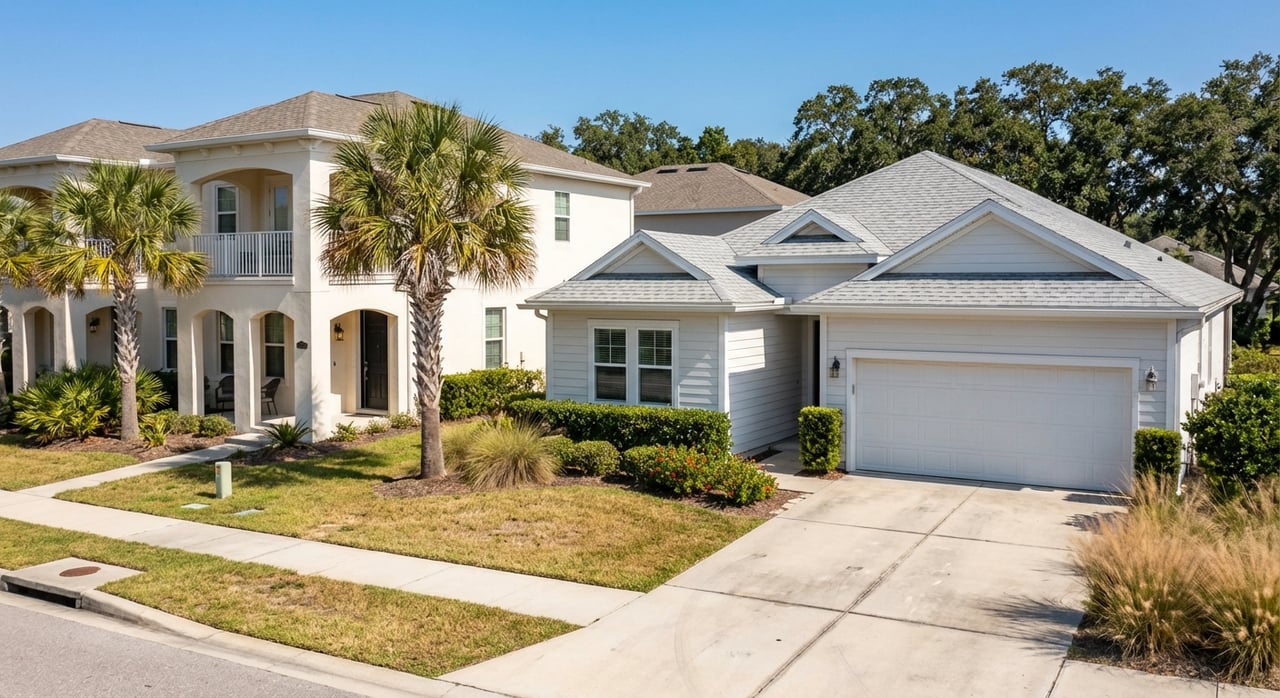
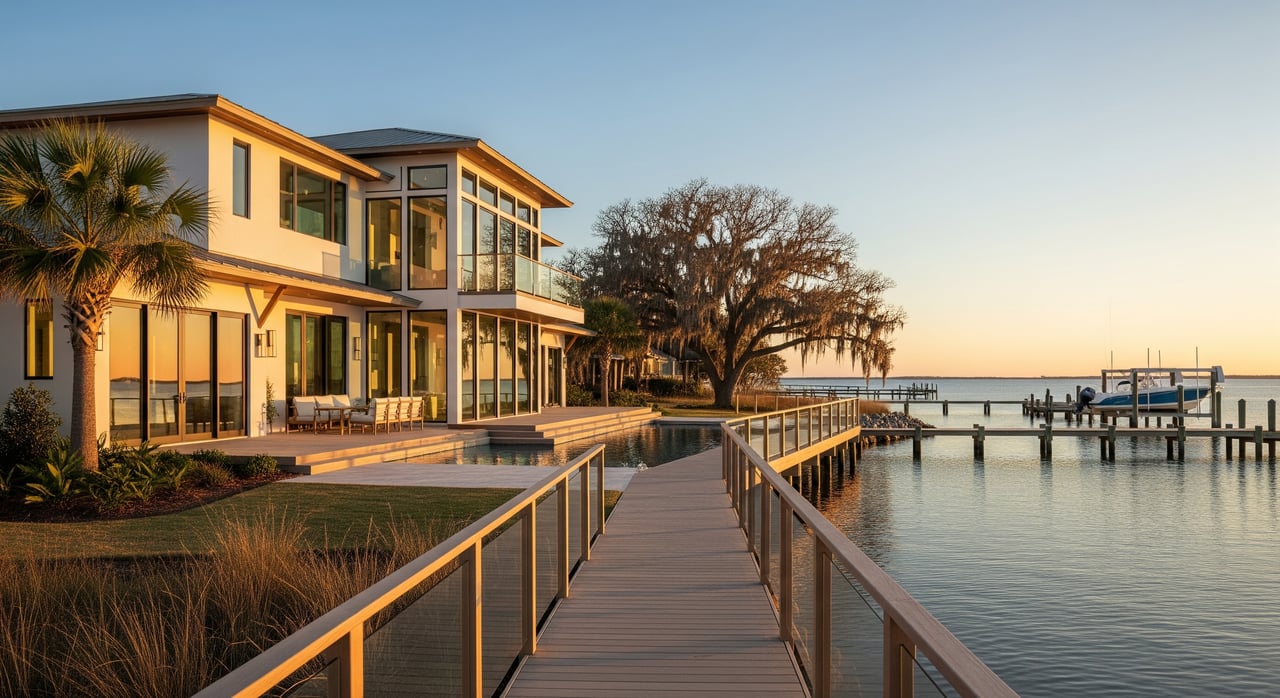
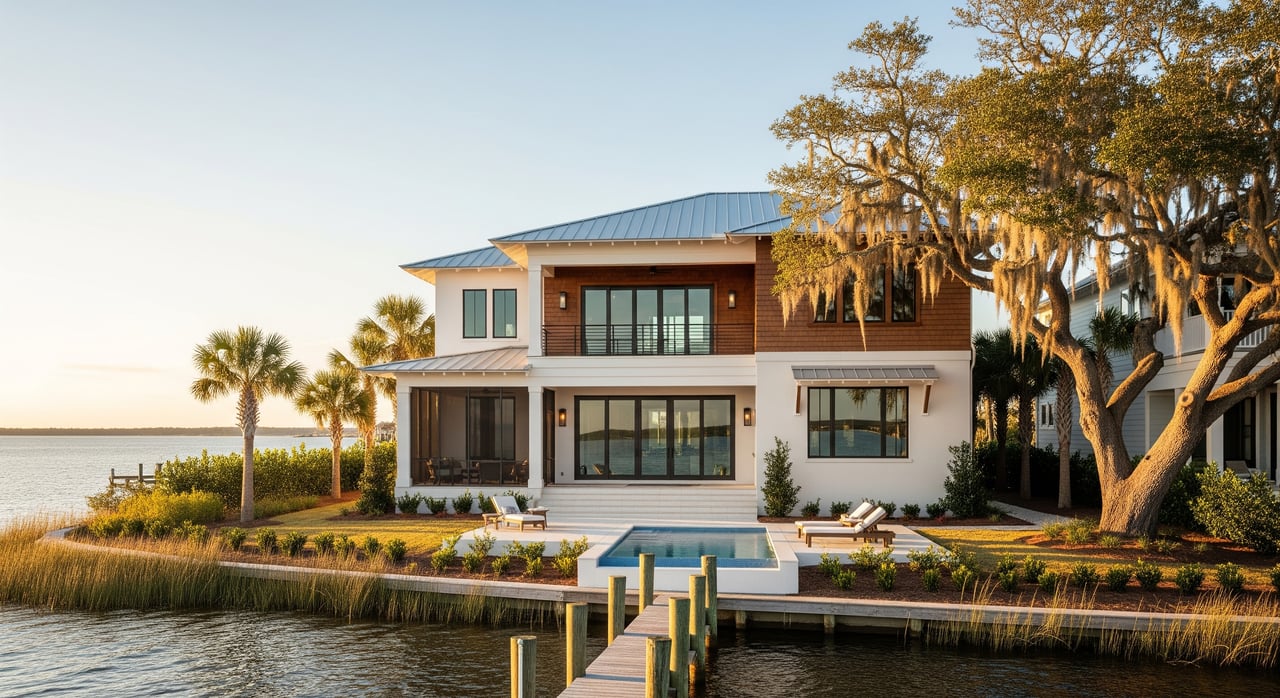
You will see a mix of single-family homes, bayside and waterfront properties, townhomes, and some condos. Waterfront homes command a premium for views, docks, and water access. Interior neighborhoods generally offer more affordable options, but prices still reflect the coastal location and school reputation.
Gulf Breeze tends to carry a coastal premium versus inland Pensacola and parts of inland Santa Rosa County. Some properties or HOAs may allow short-term rentals, while others do not. If rental income is part of your plan, review neighborhood covenants and Santa Rosa County rules before you buy.
Ownership costs to plan for
Buying at the coast involves a few special budget items. Build these into your numbers early.
- Property insurance: Coastal homes often see higher wind or hurricane insurance costs. Availability and premiums vary by property and carrier.
- Flood insurance: If a home is in a FEMA-designated flood zone or your lender requires it, flood coverage may be necessary. Premiums depend on elevation, mitigation features, and flood zone.
- Property taxes and homestead: Florida has no state income tax. If you make the home your primary residence, you may qualify for a homestead exemption. Check county specifics when you narrow down an address.
- Salt-air maintenance: The coastal environment accelerates wear on exterior paint, metals, and roofing. Plan for regular upkeep and corrosion-resistant materials.
- Boating costs: If you plan to own a boat, consider storage, slip fees, and maintenance.
Schools and education
Public schools in Gulf Breeze are part of the Santa Rosa County School District. The area’s public schools are commonly regarded as strong within the region. Always review current Florida Department of Education school reports for the most up-to-date performance details and programs, then match them to your student’s needs and interests.
Local extracurricular life is active. You will find youth sports, arts, and clubs that pair well with the area’s outdoor culture.
Climate, storms, and preparedness
Gulf Breeze has a humid subtropical climate with hot, humid summers and mild winters. Hurricane season runs from June 1 through November 30, and storm planning is a fact of life along the Gulf Coast.
- Tropical systems can bring high winds, storm surge, and power outages. Keep an evacuation plan, storm supplies, and a backup for medications and documents.
- Check FEMA flood maps and ask about a property’s base flood elevation. Elevation and mitigation features influence flood insurance needs and costs.
- Newer homes often follow stronger wind and impact-resistant building codes. Ask about roof age, window protection, and any retrofits.
- Sea-level rise and changing storm patterns are long-term considerations for waterfront buyers. Factor this into your timeline and insurance planning.
- Water quality advisories can affect beach days and shelling at times. Local conservation areas help protect natural habitats and maintain access to unspoiled coastline.
Who loves living in Gulf Breeze
- Families who want public schools with a strong regional reputation, close-to-home parks, and quick weekend access to the beach.
- Commuters who work in Pensacola or at NAS Pensacola, but prefer a quieter coastal base for daily life.
- Retirees who value mild winters, outdoor recreation, and proximity to hospitals and specialist care in Pensacola.
Is Gulf Breeze right for you?
Every market has trade-offs. Here is a balanced look to help you decide.
Pros
- Bay and beach lifestyle with year-round outdoor recreation.
- Quick connection to Pensacola’s jobs, hospitals, and culture.
- Small-city feel, community events, and neighborhood parks.
Considerations
- Coastal premium on home prices and insurance.
- Car dependence and seasonal bridge traffic.
- Hurricane and flood risk that requires planning and the right coverage.
Smart next steps for buyers
Use this checklist to move from research to action.
- Visit during different seasons, including summer and early fall, to experience beach traffic and potential storm prep.
- Test-drive your commute to downtown Pensacola and NAS Pensacola during peak hours.
- Price out homeowners, wind, and flood insurance quotes as you shop. Premiums can vary widely by address and elevation.
- Review FEMA flood maps and ask your agent about base flood elevation, mitigation features, and building codes.
- Confirm any HOA or city rules on short-term rentals if income potential matters to you.
- Budget for salt-air maintenance and, if relevant, boat storage or slip fees.
- If you are relocating for the military, plan timelines around report dates and consider temporary lodging options while you house hunt.
When you are ready for neighborhood-by-neighborhood guidance and live market data, connect with a trusted local team. As a veteran-led group with decades of Emerald Coast experience, we make coastal moves smooth for military relocations, second-home buyers, and year-round residents.
Ready to explore your options or get a custom plan? Reach out to Patricia Williams for local insight, vetted vendors, and a stress-reduced path to the right Gulf Breeze home.
FAQs
How long is the commute from Gulf Breeze to Pensacola?
- Most residents report 15 to 30 minutes to downtown Pensacola in typical conditions, with longer times during peak tourist season or bridge slowdowns.
What everyday amenities are in Gulf Breeze vs Pensacola?
- You will find groceries, pharmacies, dining, and small retail along US-98 in Gulf Breeze, while larger malls, specialty shops, and many cultural venues are in Pensacola.
Are Gulf Breeze schools well regarded?
- Gulf Breeze public schools are typically considered strong within the region. Always check current Florida Department of Education reports to confirm the latest performance data.
How do home costs compare to nearby areas?
- Gulf Breeze carries a coastal premium over many inland neighborhoods in Pensacola and parts of inland Santa Rosa County, especially for waterfront and bayside properties.
What storm and flood risks should I plan for?
- Plan for hurricane season, possible storm surge, and flood risk. Review FEMA flood maps, ask about home elevation and mitigation, and budget for wind and flood insurance as needed.
Is public transit a realistic option in Gulf Breeze?
- Public transit is limited. Most residents drive for errands and commutes and use Pensacola for airport and regional transit connections.